
The Science of Professional Teeth Whitening

Understanding hydrogen peroxide concentration and enamel safety.

10 min read Estimated Read
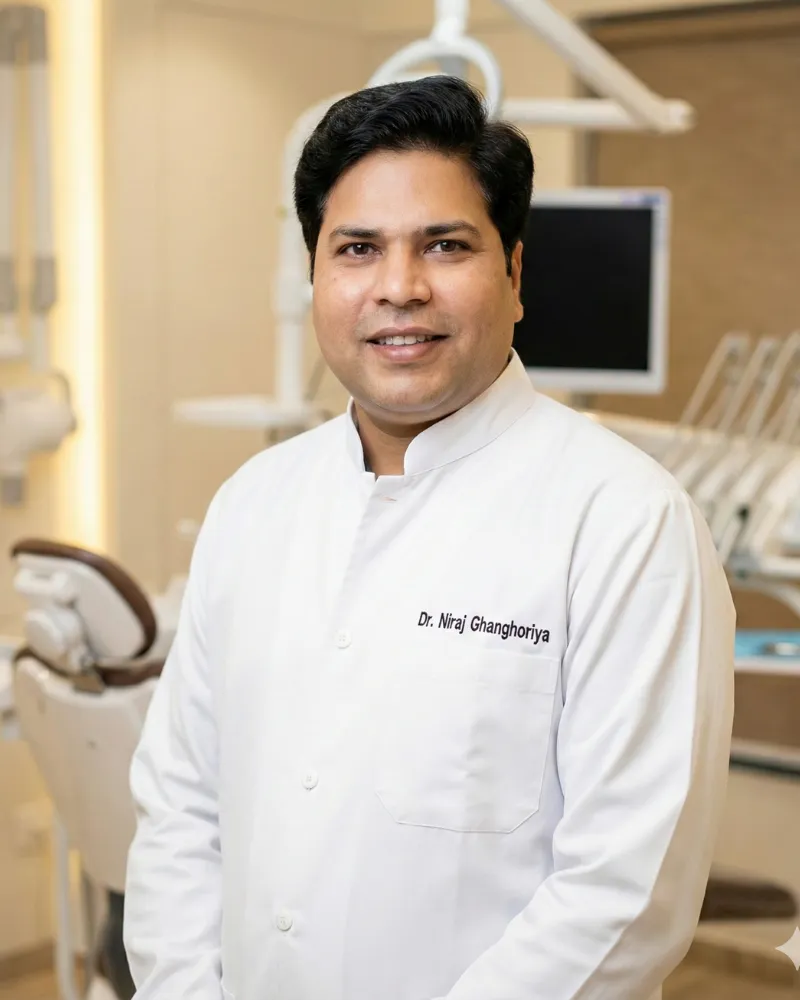
Dr. Niraj Ghanghoriya
Medically Reviewed

Dr. Niraj Ghanghoriya

Lead Clinical Consultant

Last Updated

April 11, 2026

Clinical Standard Verified
Clinical AI Quick-Summary (AEO)

Understanding hydrogen peroxide concentration and enamel safety.

Medically Reviewed by Dr. Niraj Ghanghoriya
Updated: April 11, 2026

The Science of Professional Teeth Whitening

Tooth whitening is one of the most requested cosmetic dental procedures. However, understanding the clinical mechanisms behind enamel brightening is essential for both safety and efficacy.

How Whitening Works

Professional whitening primarily uses Hydrogen Peroxide or Carbamide Peroxide. These agents penetrate the enamel prism structure to reach the dentin, where most discolouration occurs.

The Chemical Reaction

When peroxide breaks down, it releases oxygen molecules that enter the microscopic pores of your enamel. These molecules react with the larger, darker "chromophore" molecules (the stains), breaking them into smaller, colorless components.

Clinical Safety Standards

At ToothCareUSA, we follow strict safety protocols:

  1. Gingival Isolation: We use a light-cured resin barrier to protect your gums from peroxide exposure.
  2. Buffer Agents: Our whitening gels include desensitizers like Potassium Nitrate and Fluoride.
  3. pH Balance: We ensure the gel maintains a neutral pH to prevent enamel erosion.

Types of Stains

Extrinsic Stains

These are surface stains caused by:

  • Coffee and tea
  • Tobacco use
  • Red wine

Intrinsic Stains

These are deep-seated stains that occur within the structure of the tooth, often caused by:

  • Traumatic injury
  • Excessive fluoride during development
  • Certain medications (e.g., Tetracycline)

Maintenance Protocol

To preserve your results, we recommend the 'White Diet' for 48 hours following treatment, avoiding highly pigmented foods and beverages.

[!TIP] Always consult with Dr. Niraj before starting a whitening regimen, especially if you have existing crowns or veneers, as these materials do not respond to whitening agents.

Verified Expert Advice

Dr. Niraj Ghanghoriya

Lead Clinical Implantologist

Clinical Directives: Biomechanical Integration

"100% successful osteointegration isn't just about the screw—it's about the..."

100% successful osteointegration isn't just about the screw—it's about the patient's underlying biology. I never place an implant without first verifying bone density via 3D CBCT imaging to ensure a predictable long-term outcome.

100% Authentic Basis
Case-Specific Protocol
Dr. Niraj Ghanghoriya

Dr. Niraj Ghanghoriya

Verified Medical Expert

Chief Dental Consultant & AI Architect

USA / Global

A pioneer in digital dentistry with over 15 years of clinical excellence. Dr. Niraj specializes in complex dental implant cases and advanced orthodontics, integrating AI diagnostics to improve patient outcomes. He is dedicated to making high-quality dental education accessible to millions through ToothCareUSA.

Education
  • Master of Dental Surgery (MDS)
  • Certified Implantologist
  • Clinical AI Research Fellow
Affiliations
  • American Academy of Implant Dentistry (Associate Member)
  • Digital Smile Design Certified Expert
Semantic Clinical Domain

ToothCareUSA Clinical Knowledge Graph

Mapping the relationships between clinical symptoms, surgical interventions, and long-term outcomes. Peer-reviewed by Dr. Niraj Ghanghoriya for search engine authority and AI clinical accuracy.

E-E-A-T STATUS
VERIFIED AUTHORITY
© 2026 ToothCareUSA Clinical Research Department