
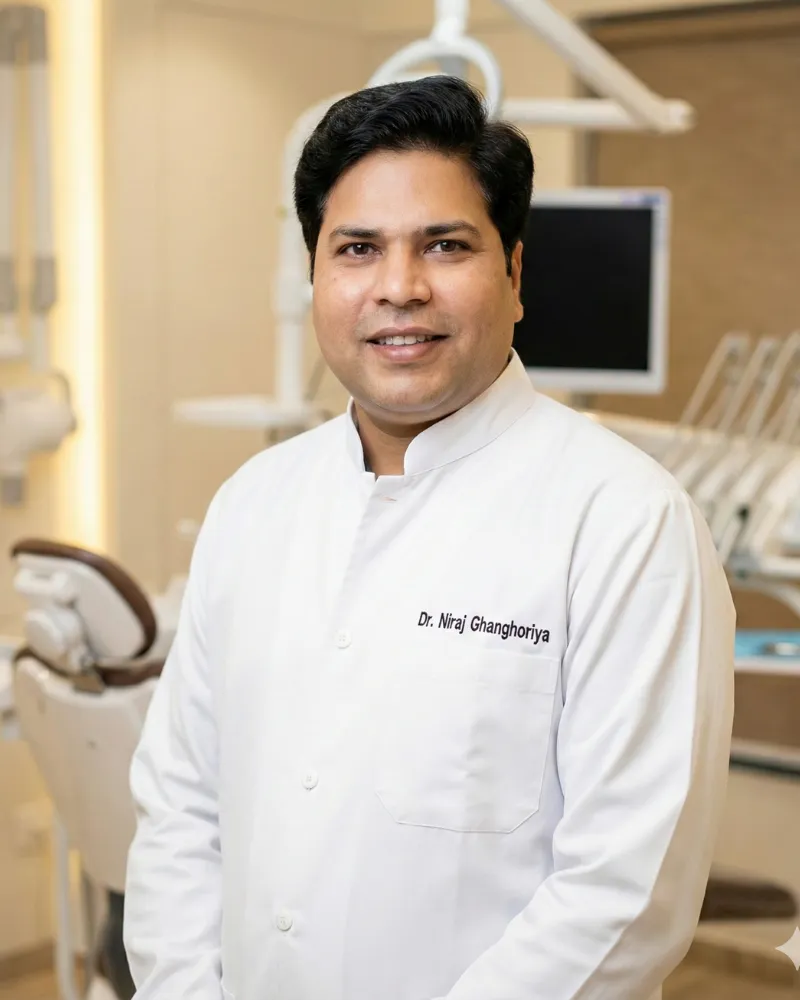
Maximizing your benefits and understanding the shift in modern dental insurance.
title: "Insurance Coverage for Dental Implants: How to Maximize Benefits" author: "Dr. Niraj Ghanghoriya" date: "April 12, 2026" heroImage: "/blog-placeholder-insurance.jpg"
Does Dental Insurance Cover Implants?
The most common question we receive at ToothCareUSA is about the Average Cost and insurance feasibility. Historically, insurance companies viewed implants as "cosmetic." However, they are now widely recognized as a "Standard of Care" for tooth replacement.
How Most Plans Work
Most dental insurance plans have an Annual Maximum (usually between $1,500 and $2,500). While this won't cover the entire Full-Mouth Restoration, it can significantly offset the cost of the Crown and Abutment.
Key Terms You Need to Know:
- LEAT Clause: "Least Expensive Alternative Treatment." Some plans will only pay for a Bridge even if you get an implant.
- Missing Tooth Clause: If the tooth was missing before you joined the plan, they may deny coverage.
- Waiting Periods: Many plans require you to be a member for 6-12 months before they pay for "Major Services" like All-on-4.
3 Ways to Maximize Your Coverage
- Split the Billing: If your procedure spans across two calendar years (e.g., Surgery in December, Crown in February), you can use two years' worth of annual maximums.
- HSA/FSA Funds: Since implants are a medical necessity, you can use your tax-free Health Savings Account to pay for the remaining balance.
- Medical Insurance Synergy: In rare cases (e.g., bone loss due to an accident or systemic disease), your Medical Insurance may cover the Bone Grafting portion.
Alternative Financing
Because insurance is often limited, we offer flexible payment plans to help you spread the cost of your Implant Options over 12-60 months.
To get a precise estimate for your case, visit our session on Dental Implant Costs.
Disclaimer: We are not a financial institution. Insurance coverage varies by provider. Always request a "Pre-Determination of Benefits" before starting your surgical journey.