
How nicotine exposure significantly reduces your chances of successful osseointegration.
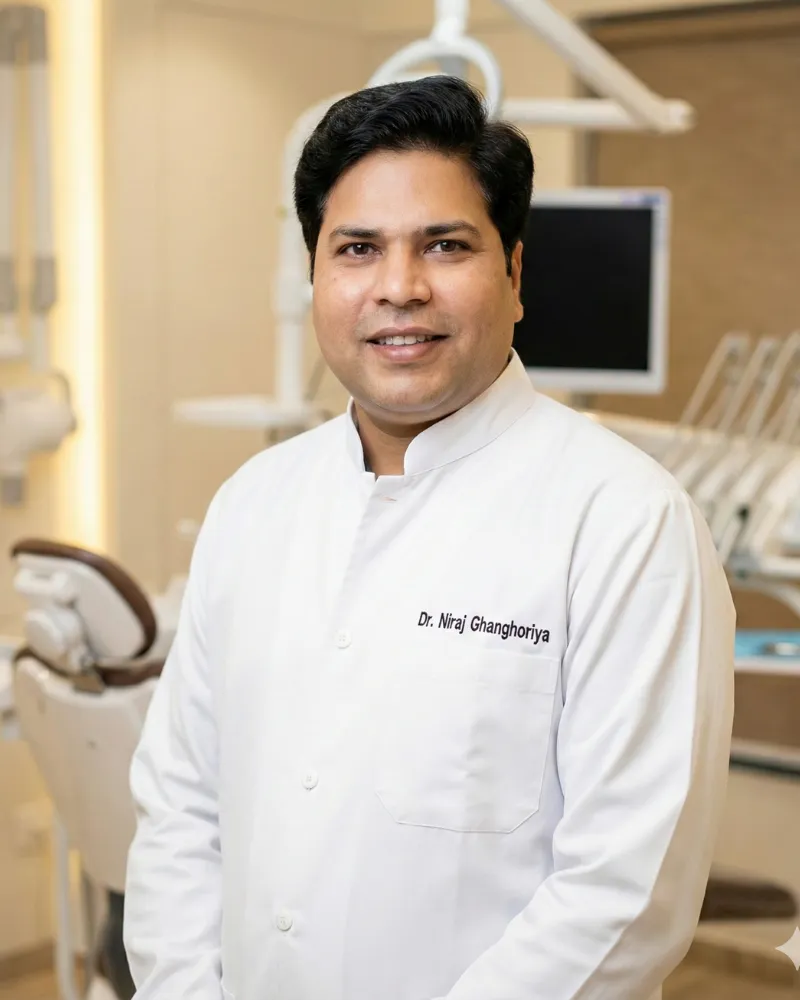
title: "Smoking and Dental Implants: Clinical Risks" author: "Dr. Niraj Ghanghoriya" date: "April 16, 2026" heroImage: "/images/smoking-implants.png"
Smoking and Dental Implants: Understanding Surgical Risks and Healing
Smoking is the single largest risk factor for dental implant failure. While smokers can still receive dental implants, the clinical data is clear: the risk of failure is nearly double that of a non-smoker. At ToothCareUSA, we work with our patients to minimize these risks through a strict "Smoking Cessation Protocol" before and after surgery.
Here is the clinical breakdown of how smoking interacts with dental implant success.
1. The Impact of Nicotine on Blood Flow
Nicotine is a potent "vasoconstrictor"—it causes blood vessels to narrow.
- Oxygen Depletion: When you smoke, the oxygen level in your blood drops, and the blood flow to your jawbone and gums is significantly reduced.
- Bone Healing: Without a robust blood supply, the jawbone cannot produce the "osteoblasts" (bone-building cells) needed to fuse with the titanium implant screw. This often leads to a "failure to osseointegrate."
2. Increased Risk of Infection
Smoking compromises your immune system's ability to fight off bacteria in your mouth.
- Peri-implantitis: Smokers have a much higher incidence of peri-implant infection. The dry heat from the smoke can burn the delicate gum tissue and interfere with the saliva's natural antibacterial properties.
- Salivary Flow: Smoking reduces saliva production, leading to a "dry mouth" environment where disease-causing bacteria thrive.
3. The Clinic Closure: Our 2-to-8 Rule
To maximize your chances of success, we follow the "2-to-8" rule:
- Stop 2 Weeks Before Surgery: This allow your blood flow and oxygen levels to begin returning to a normal physiological state.
- Stop 8 Weeks After Surgery: This protects the implant during the most sensitive phase of secondary bone integration.
"A smoker's bone heals like a non-smoker who is 20 years older. We don't say 'No' to smokers, but we do insist on a commitment to cessation during the initial healing window to protect your investment." — Dr. Niraj Ghanghoriya
4. What About Vaping or Patch?
While "vaping" eliminates the tar and heat of a traditional cigarette, it still contains Nicotine. Nicotine, in any form, constricts the blood vessels and remains a significant risk factor for surgical failure.
Advice for Patients:
If you are unable to quit, be honest with your clinical team. We can utilize advanced healing techniques like PRF (Platelet Rich Fibrin) to manually boost the blood supply to your surgical site, but the baseline risk remains higher than for non-smokers.
Authored by Dr. Niraj Ghanghoriya, Lead Clinical Director at ToothCareUSA. Source: Journal of Oral & Maxillofacial Surgery — Smoking Impact Meta-Analysis.